Responsible wood
Prioritize FSC wood and controlled sourcing language so the material promise starts before the toy is shaped.
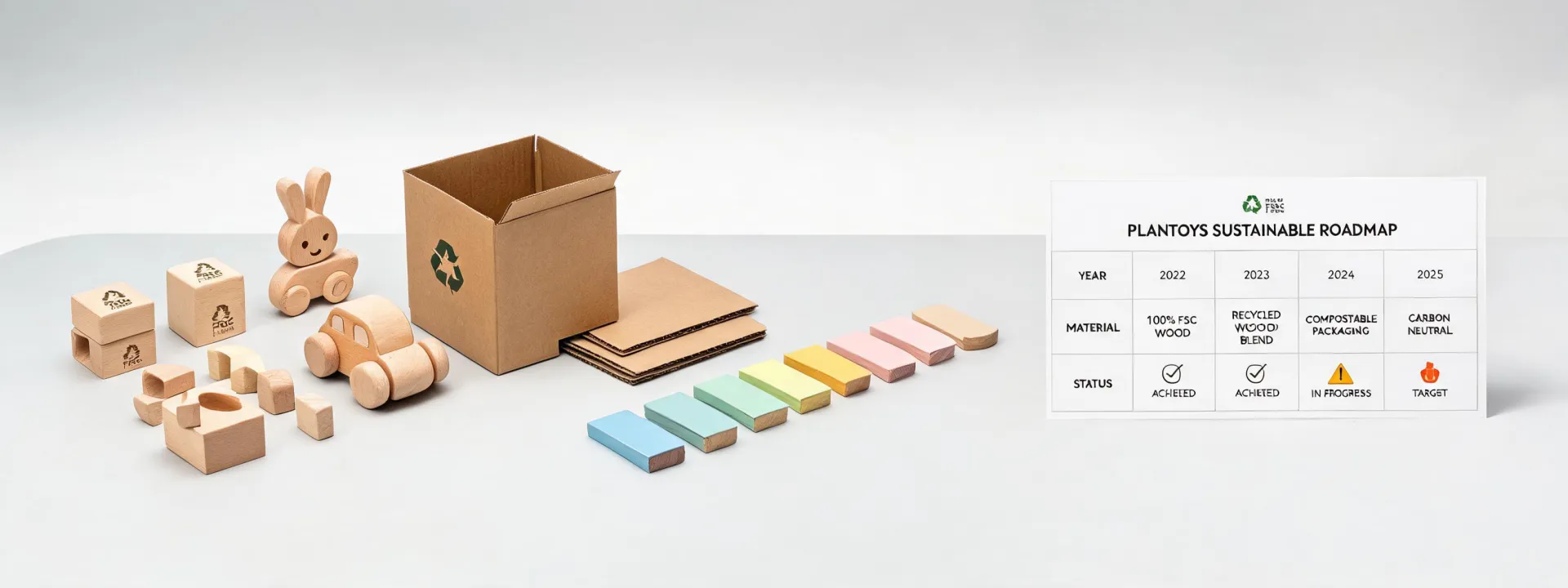
Sustainability is not treated as a decorative badge. For Plantoys, it sits inside product choice, sourcing language, packaging, safety communication, and the expectation that a good toy can be used for years.
The roadmap keeps buyers focused on choices they can explain: certified wood, efficient cutting, non-toxic finishing, durable forms, recycled packaging, and end-of-life thinking.
Prioritize FSC wood and controlled sourcing language so the material promise starts before the toy is shaped.
Use water-based color systems and visible finish checks that support safety-aware product stories.
Favor stable forms, repair-minded details, and open-ended use over short novelty cycles.
Reduce unnecessary inserts and align retail packaging with recycled or lower-impact materials.
Plantoys sustainability content stays practical. Each feature can be connected to a visible product or operational decision, which helps retailers avoid vague environmental claims and explain the assortment with confidence.
Wooden dollhouses, STEM shapes, and pretend-play sets can carry one coherent material story instead of competing plastic-heavy messages.
Low-gloss, water-based finishes let natural color and tactile learning lead the product experience.
Open-ended toys can move from one play script to another, reducing the pressure to replace them after a single developmental moment.
Sourcing partners keep certified material language consistent across toy families.
Production teams verify color systems, edges, and child-contact surfaces before release.
Retail teams reduce waste while keeping age, play value, and safety information clear.
Longer-use design invites hand-me-down play instead of one-season disposal.
Start with wooden learning, role-play, or outdoor play collections and keep the sustainability claim tied to real product decisions.